Designing Beyond the Kitchen: How Cohesive, Multi-Room Remodels Transform Your Entire Home

A beautifully designed home has a quiet confidence about it. Each space feels connected. Materials flow naturally from room to room. Storage works effortlessly, and every detail feels intentional.

When design is approached holistically rather than one room at a time, the result is not just a remodel it’s a complete lifestyle upgrade.

At Tree Frog Design, we specialize in creating cohesive environments that go beyond the kitchen. Whether it’s a kitchen paired with multiple bathrooms, a laundry room, or a full-home remodel, our work is rooted in thoughtful planning and a deep understanding of how people live in their spaces.

This blog explores why multi-room design is gaining popularity, how the process works, and what makes these larger-scale remodels so impactful.

1. Why Homeowners Are Choosing Multi-Room Remodels

While kitchen remodels remain a popular starting point, many homeowners are expanding their projects to include multiple spaces at once.

Instead of updating rooms in isolation, they are choosing to redesign their homes as a unified whole.

The Benefits of a Cohesive Approach

Designing multiple rooms together allows for:

• A consistent visual language throughout the home

• Better flow between connected spaces

• Smarter material selection across rooms

• Fewer disruptions compared to phased remodels

It also creates an opportunity to rethink how the home functions as a whole, improving layout, storage, and daily usability.

2. A Whole-Home Perspective: Designing for Flow and Function

When multiple rooms are remodeled together, design decisions become more intentional. Every choice cabinetry, tile, flooring, lighting works together rather than competing for attention.

Creating Seamless Transitions

In open-concept homes especially, the kitchen, dining, and living areas must feel connected. This often involves:

• Aligning color palettes across spaces

• Repeating materials or patterns in subtle ways

• Designing sightlines that feel balanced from every angle

Rather than treating each room separately, we approach the home as one continuous experience.

3. Case Study: The Urban Treehouse

One of the most comprehensive examples of this approach is the Urban Treehouse project a full, three-level remodel in Seattle.

This project included:

• Kitchen and multiple bathrooms

• Laundry room and offices

• Living and dining areas

• Primary suite and walk-in closet

We reimagined the home entirely adjusting layouts, reframing walls, rerouting pathways, and updating every surface. From cabinetry and countertops to lighting and plumbing fixtures, every detail was carefully selected to support a cohesive design vision.

The result was a home that not only looked unified but functioned more naturally for the homeowners’ daily lives.

4. Case Study: Soft and Romantic – Designing Across Connected Spaces

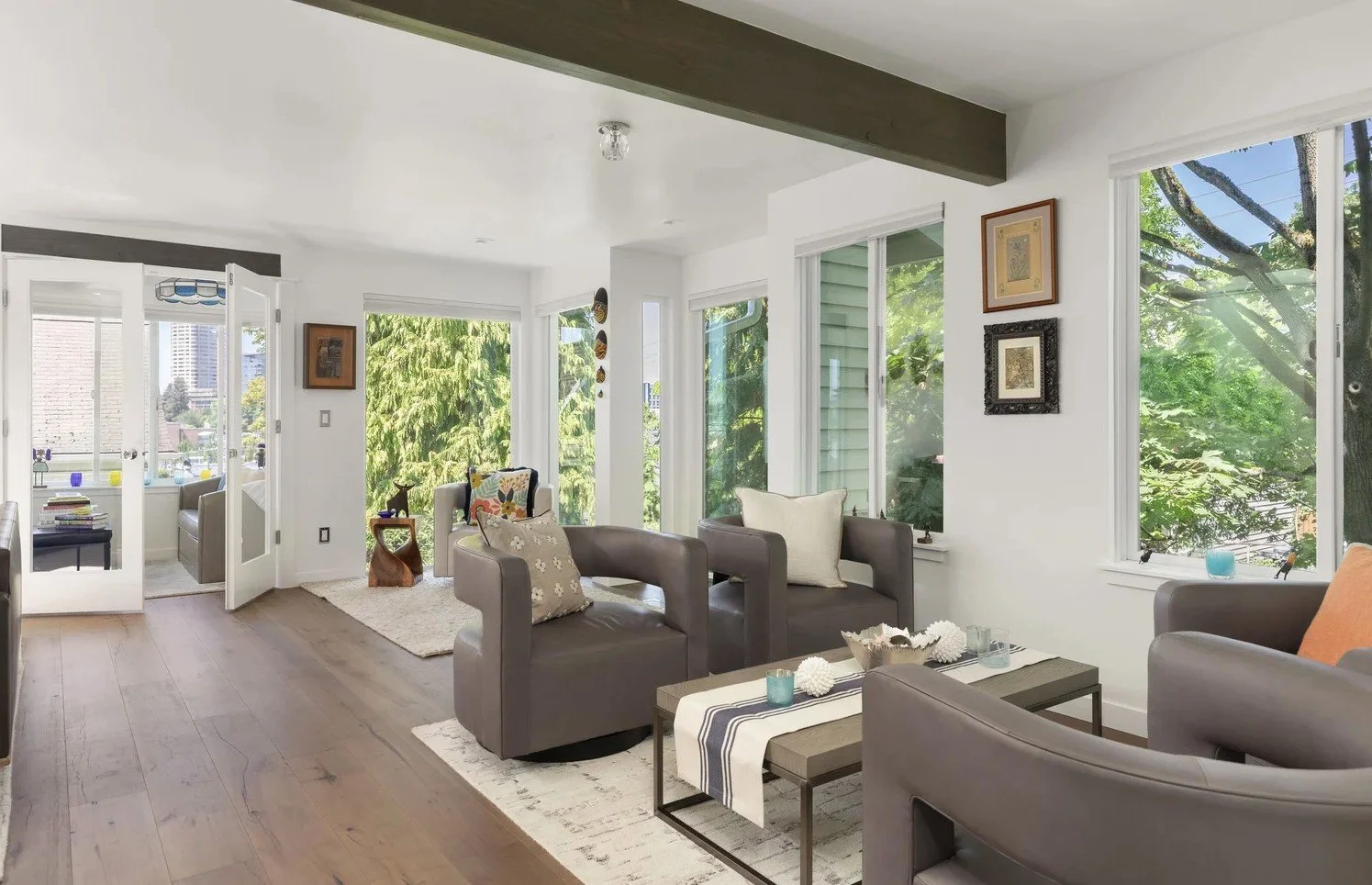
In another project, often referred to as Soft and Romantic, the focus was on redesigning the main living level of the home.

This included:

• Kitchen

• Dining room

• Family room

• Pantry

• Powder room

Designing for Visual Continuity

The original layout felt closed off and disconnected. By removing walls and opening up the space, we created a more inviting and functional environment.

Cohesion was achieved through thoughtful material repetition:

• A pearlized chevron tile pattern used in the kitchen reappeared in the dining area

• Complementary marble tones carried into the powder room

• Cabinetry styles and finishes were balanced across spaces

• Flooring was unified throughout the level

Each room had its own identity, but all worked together to tell a consistent design story.

5. Materials and Details That Tie Everything Together

In multi-room remodels, material selection becomes even more important. Every finish contributes to the overall harmony of the home.

Cabinetry Across Spaces

Cabinet styles and finishes often extend beyond the kitchen into bathrooms, laundry rooms, and built-ins. This creates continuity while allowing for subtle variations.

Tile as a Unifying Element

Tile is one of the most versatile tools for tying spaces together. A pattern used in one room can be echoed in another with a different scale, material, or layout.

Flooring That Grounds the Design

Consistent flooring helps anchor the entire home. Whether it’s engineered hardwood or luxury vinyl plank, continuity underfoot creates a sense of flow.

6. Smart Planning for Larger Remodels

With multi-room or whole-home remodels, planning becomes even more critical.

Key considerations include:

• Structural changes and layout improvements

• Coordinated material sourcing

• Budget allocation across spaces

• Construction sequencing

By addressing these elements early, the design process becomes more efficient and the final result more cohesive.

7. Is a Multi-Room Remodel Right for You?

A larger-scale remodel may be the right choice if:

• You’re updating an older home and want consistency throughout

• Multiple rooms need renovation within a similar timeframe

• You want to improve flow between connected spaces

• You prefer a single, well-planned project over multiple phases

These projects require more upfront planning, but they often deliver greater long-term value both functionally and aesthetically.

Frequently Asked Questions

1. Do you only design kitchens?

No. While kitchens are a major focus, we frequently design bathrooms, laundry rooms, and entire homes.

2. Can I remodel multiple rooms at once?

Yes. Many clients choose to combine spaces into one cohesive project, such as a kitchen with two or three bathrooms or a full-home remodel.

3. How long does a multi-room design take?

The design phase typically takes longer than a single-room project, depending on scope and complexity, but results in a more unified outcome.

4. Will my home feel too uniform?

Not at all. The goal is cohesion, not repetition. Each space maintains its own personality while contributing to a larger design vision.

5. How do I get started?

Begin with a consultation. We’ll evaluate your space, discuss your goals, and help determine the best approach for your home.

Let’s Design a Home That Works as One

When your home is designed as a complete experience rather than a collection of separate rooms, everything feels more intentional. Daily routines become smoother. Spaces feel more connected. And your investment delivers lasting value.

If you’re considering a kitchen remodel, a multi-room update, or a full-home transformation, thoughtful planning is the key to getting it right the first time.

How to Choose the Right Bathroom Designer in Snohomish

Designing a kitchen or bathroom is not just about finishes and fixtures. These are the rooms where mornings begin, evenings wind down, and everyday life unfolds. The right design brings clarity, comfort, and beauty to spaces that work hard every single day.

At Tree Frog Design, we approach kitchen and bath projects with curiosity, care, and a deep respect for how each homeowner lives. While our studio is based on Whidbey Island, we regularly collaborate with homeowners throughout Snohomish County who are looking for a designer who listens closely, plans thoroughly, and guides decisions with experience.

This guide explores what it means to work with a Kitchen Designer or Bathroom Designer in Snohomish, what the process looks like, and how intentional design choices can elevate daily life.

Table of Contents

1. Why Kitchen and Bath Design Matters More Than Ever

2. Working With a Kitchen Designer in Snohomish

3. What Sets a Bathroom Designer in Snohomish Apart

4. How the Tree Frog Design Process Supports Better Decisions

5.Design Trends Shaping Kitchens and Bathrooms in Snohomish

6. Frequently Asked Questions

Why Kitchen and Bath Design Matters More Than Ever

Homes today do more than ever before. Kitchens are no longer tucked away utility rooms. They are gathering spaces, work zones, and places where creativity happens. Bathrooms have evolved from purely functional rooms into personal retreats that support wellness and routine.

Good design brings order to complexity. It considers traffic flow, storage needs, lighting, and how materials will age over time. A well-designed kitchen or bath saves time, reduces frustration, and adds long-term value to a home.

Working with an experienced Kitchen Designer or Bathroom Designer ensures that decisions are made with both beauty and practicality in mind. The goal is not to follow trends blindly, but to create rooms that feel right for the people who use them every day.

Working With a Kitchen Designer in Snohomish

A kitchen remodel involves hundreds of decisions. Cabinet layout, appliance placement, lighting, finishes, and clearances all need to work together. This is where a professional kitchen designer becomes invaluable.

As a Kitchen Designer in Snohomish, our role is to help homeowners think through how their kitchen functions now and how it should function in the future. We begin by listening. How do you cook? How many people use the space at once? What frustrates you about the current layout? What do you love?

From there, we measure the space, create functional layouts, and develop detailed drawings that support informed decisions. We guide clients through cabinet options, countertop materials, tile selections, and flooring that align with both lifestyle and budget.

We also assist with appliance selection and coordinate showroom visits so clients can see and touch materials before committing. While we do not perform installation ourselves, we design with real-world construction in mind and provide clear documentation that contractors can work from confidently.

The result is a kitchen that feels intentional, efficient, and personal.

What Sets a Bathroom Designer in Snohomish Apart

Bathrooms may be smaller than kitchens, but they are often more complex. Plumbing constraints, ventilation, lighting, and storage must all coexist within limited square footage.

A skilled Bathroom Designer in Snohomish understands how to balance these requirements while creating a space that feels calm and cohesive. Whether it is a primary bath, guest bath, or powder room, thoughtful design makes a noticeable difference.

We help clients evaluate layout options, select vanities that maximize storage, choose tile that adds character without overwhelming the space, and plan lighting that flatters and functions. We also guide fixture and plumbing selections, ensuring compatibility and long-term performance.

Because bathrooms are used daily, durability matters. We prioritize materials that hold up well over time and layouts that remain functional as needs evolve.

How the Tree Frog Design Process Supports Better Decisions

Tree Frog Design operates as a design-focused studio, offering personalized guidance from start to finish. Clients work directly with one designer throughout the process, ensuring continuity, clarity, and trust.

Our services include measuring, space planning, functional design, and detailed drawings. We source and supply cabinets, countertops, tile, and flooring, and we assist with selecting plumbing fixtures, lighting, and appliances through trusted showrooms.

We collaborate closely with homeowners, helping them navigate the many options available without feeling rushed. Design decisions are layered thoughtfully so nothing feels overwhelming.

While we do not provide installation services, we collaborate closely with experienced contractors to support a smooth build process. Over the years, we have developed trusted working relationships with several contractors in the Snohomish area. Homeowners are welcome to work with their own contractor, or we are happy to provide referrals to professionals we know and trust. Clear documentation, thoughtful planning, and established partnerships help projects move forward with greater clarity and confidence.

Tree Frog Design has been guiding kitchen and bath redesigns since 2003, with hundreds of completed projects ranging from modest updates to full-scale renovations.

Design Trends Shaping Kitchens and Bathrooms in Snohomish

Design trends in Snohomish County reflect a desire for warmth, functionality, and longevity.

In kitchens, homeowners are gravitating toward natural wood tones, layered lighting, and cabinetry that prioritizes storage. Large islands continue to be popular, especially those designed for both prep and gathering. Quartz countertops remain a favorite for their durability and low maintenance, while tile backsplashes are becoming more expressive with texture and pattern.

Bathrooms are leaning toward spa-inspired elements. Walk-in showers with minimal thresholds, integrated niches, and calming color palettes are in demand. Homeowners are also investing in better lighting and thoughtful storage solutions that reduce visual clutter.

Sustainability is another growing focus. Energy-efficient lighting, water-saving fixtures, and durable materials that do not need frequent replacement are increasingly important considerations.

A knowledgeable kitchen or Bathroom Designer helps translate these trends into choices that make sense for a specific home rather than chasing what is momentarily popular.

Frequently Asked Questions

1. What areas do you serve?

Tree Frog Design works with homeowners throughout Snohomish, King, Kitsap and Island Counties. We are frequently in Snohomish for showroom selections and client meetings. We collaborate with trusted local contractors to support each project.

2. Do you offer installation services

We focus on design and product sourcing. Installation is typically handled by a contractor chosen by the homeowner. We are happy to collaborate with contractors and provide detailed drawings to support the build phase.

3. How early should I involve a kitchen or bathroom designer

The earlier, the better. Bringing a Kitchen Designer or Bathroom Designer in Snohomish into the conversation early helps avoid costly changes later and allows the design to fully support how you want the space to function.

4. Can you help me stay within budget

Yes. Budget is an important part of the design conversation. We help clients prioritize where to invest and where to simplify, offering options that align with both vision and financial comfort.

5. How long does the design process take

Timelines vary depending on project scope and decision-making pace. A clear design plan upfront helps the rest of the project move forward with greater confidence.

Designing a kitchen or bathroom is an investment in daily life. With thoughtful planning, honest guidance, and a collaborative approach, these spaces can become some of the most satisfying rooms in your home.

If you are exploring the next steps with a Kitchen Designer or Bathroom Designer in Snohomish, Tree Frog Design is here to help you clarify your vision and bring it to life with intention and care.

Kitchen Remodeling with a Professional Kitchen Designer on Whidbey

Tree Frog Design has supported homeowners on Whidbey Island for many years. The focus is always on clear planning and thoughtful design. A kitchen remodel often brings many decisions. Layout, storage, finishes, and lighting all need attention. Tree Frog Design helps simplify those choices through steady guidance. Each project begins with listening. The goal is to design kitchens that work well for daily life and feel right for the home. This article explains how Tree Frog Design supports Kitchen Remodeling on Whidbey with a personal and practical approach.

A Local Design Perspective for Whidbey Island Homes

Whidbey Island homes have character and variety. Some sit near the water. Others are surrounded by trees or open land. Tree Frog Design keeps every project rooted in this local setting. The work never suggests service outside Whidbey Island. Each design reflects the home and the lifestyle of the people living there. The process starts with accurate measurements. This step matters because it supports smart planning. From there, the layout is reviewed for function. Storage needs, movement through the space, and everyday routines guide the design. This local perspective helps homeowners feel confident. When people look for Kitchen Remodeling, they want someone who understands the area. Tree Frog Design brings that understanding to every project.

Practical Design Solutions That Address Real Needs

Many homeowners know what is not working in their kitchen. They may need more storage. The layout may feel closed in. Lighting may not support how the space is used. Tree Frog Design helps turn those concerns into clear solutions. Function comes first. Cabinets are planned to support daily habits. Countertops are chosen for durability and style. Tile and flooring selections connect the design. The service includes preparing drawings and bidding on projects. This helps clients understand cost and scope early. Guidance also includes showroom visits to select fixtures and appliances. Advice stays grounded and realistic. A Kitchen Designer on Whidbey should reduce confusion. Tree Frog Design does this by offering clear explanations and steady support.

Experience That Brings Clarity and Confidence

Tree Frog Design has worked with homeowners since 2003. More than five hundred kitchen and bath projects have been guided during that time. This experience shapes every new design. Past projects range from small updates to larger renovations. Each one adds insight. Clients benefit from an organized process and informed suggestions. Drawings show how the kitchen will function. Product selections align with the plan. The goal is to help clients avoid costly changes later. One designer manages the process. Communication stays direct and personal. Homeowners looking for a Kitchen Designer gain confidence through this focused approach.

The Bottom Line

A kitchen remodel is a meaningful investment. It deserves careful planning and reliable guidance. Tree Frog Design supports homeowners on Whidbey Island with clear design services and practical advice. The focus remains on function, style, and informed choices. Clients receive measured plans, detailed drawings, and support in selecting quality materials. For anyone considering Kitchen Remodeling on Whidbey, Tree Frog Design offers experience, clarity, and a design process centered on your home and your needs.

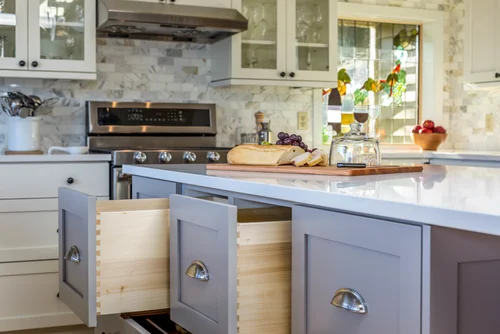
Cabinet Frame Styles Framed vs Frameless

Cabinetry is more than storage—it’s architecture for daily life. The way doors and drawers meet the cabinet box defines not only the look, but also the craftsmanship and functionality of the space. At the heart of this conversation are two distinct construction styles: framed and frameless. Within these, we find variations like framed overlay, framed inset, and European frameless. Each carries its own story, aesthetic, and practical implications.

Framed Cabinets: The “Picture Frame” Approach

Think of a framed cabinet as having a wood “picture frame” applied to the face of the cabinet box. This frame provides strength and structure, while also shaping the aesthetic. Doors and drawers interact with this frame in two primary ways: overlay or inset.

Framed Overlay

  • Definition: Doors and drawers sit on top of the picture frame, partially or fully covering it.

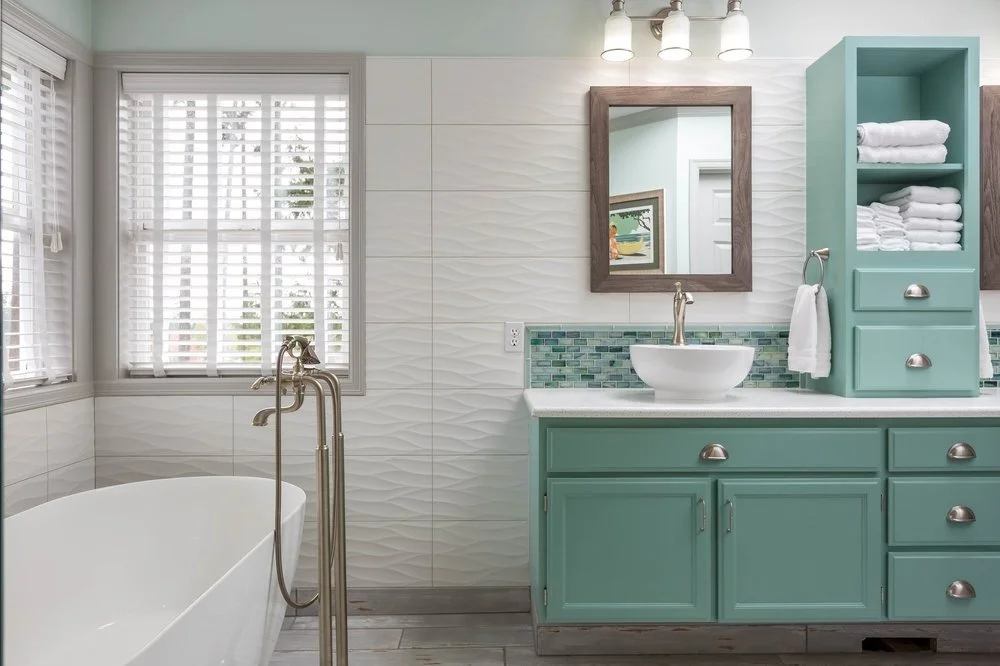
Example: Mukilteo Bathroom Remodel — here, framed overlay cabinetry was repainted and reused to save the homeowner some money. If you look at the cabinetry, you can see the frame peeking through. The doors and drawers have a partial overlay of the frame.  While durable and versatile, this style is my least requested. Most clients either prefer the extra storage space of frameless cabinetry or the timeless craftsmanship of inset.

Pros: Cost-effective, adaptable across design styles, adds strength to the cabinet box.

  • Cons: Frame reduces interior space; visible frame edges can break the seamlessness.

Framed Inset

  • Definition: Doors and drawers are inset flush within the picture frame, sitting perfectly aligned.

Example: Vintage Craftsman Bungalow — this project showcases the refined artistry of inset cabinetry. The craftsmanship of the frame gives the cabinets a furniture-like quality, timeless in appeal and deeply rooted in tradition. A framed inset cabinet can also look quite lovely in a more contemporary setting simply by changing the door style to a flat surface.

Pros: Elegant, bespoke, and historically resonant.

  • Cons: Higher cost, slightly reduced storage, requires precision joinery and occasional adjustment.


Frameless Cabinets: Full-Access Modernity

Frameless cabinetry eliminates the picture frame entirely. Instead, doors and drawers attach directly to the sides of the cabinet box using specialized hinges. This construction maximizes interior space and creates a sleek, seamless aesthetic.

European Frameless

  • Definition: Doors and drawers mount directly to the cabinet box, with no frame.

Example 1: English Cottage Kitchen — though traditional in appearance, this kitchen benefits from the modern convenience of frameless construction. It blends old-world charm using a Shaker door style but with contemporary efficiency.

Example 2: Marine View Kitchen — here, European frameless cabinetry is paired with a modern door style, resulting in a crisp, contemporary aesthetic. The streamlined look underscores how versatile frameless construction can be across design languages.

Pros: Maximized storage, clean lines, ideal for small or modern kitchens.

  • Cons: Requires precise installation; less forgiving than framed cabinetry.


Choosing Between Framed and Frameless

  • Framed Overlay: A practical option, but less popular among clients who prioritize either space or craftsmanship.

  • Framed Inset: Perfect for homeowners seeking timeless elegance and furniture-like cabinetry, as seen in the Vintage Craftsman Bungalow.

  • European Frameless: Offers efficiency and modernity, whether paired with traditional styling (English Cottage Kitchen) or contemporary design (Marine View Kitchen).

Final Thoughts

Framed vs. frameless cabinetry isn’t just a technical distinction—it’s a design philosophy. Framed cabinetry celebrates craftsmanship and heritage, while frameless cabinetry embraces efficiency and modern flow. The choice depends not only on budget and function, but also on the story you want your kitchen—or bathroom—to tell.

Design a Better Space With a Bathroom Designer in Edmonds

Before we begin, let me share a quick thought. Over the years of helping homeowners redesign the spaces where they start and end their day, we have learned something important. A bathroom is more than a functional room. It is a place of calm, comfort, privacy, and routine. When we work on Bathroom Remodeling, our goal is to create a space that feels thoughtful, intuitive, and inspiring every single day.

At Tree Frog Design, we have spent more than two decades guiding homeowners through this journey. Today, I want to walk you through how a skilled Bathroom Designer in Edmonds can help bring clarity, creativity, and confidence to your remodel.

Table of Contents

1. Why Bathroom Design Matters More Than You Think
2. How a Bathroom Designer in Edmonds Elevates Your Project
3. The Bathroom Remodeling Process Step by Step
4. Smart Trends in Bathroom Remodeling in Edmonds
5. Why Homeowners Choose Tree Frog Design
6. FAQs
7. Final Thoughts

1. Why Bathroom Design Matters More Than You Think

Bathrooms are some of the busiest spaces in any home. Yet many homeowners live with rooms that feel cluttered, outdated, or poorly laid out. When we begin a project, we often hear the same frustrations.

Lighting that never looks right.
Storage that does not work.
Floors that feel tired.
Countertops that have seen better days.
Showers that do not inspire a sense of escape.

A good redesign solves these issues, but a great one does more. It blends form with function so that every corner works exactly as you need it to. That is where working with a professional Bathroom Designer in Edmonds becomes incredibly valuable. Instead of guessing your way through hundreds of options, you gain a guide who helps you navigate the choices with confidence and clarity.

2. How a Bathroom Designer in Edmonds Elevates Your Project

Edmonds homeowners are passionate about creating spaces that feel personal and welcoming. Our role is to help make that happen through thoughtful design. Here is how a professional designer elevates your project from the very beginning.

A Personalized Approach

We start with your lifestyle. Your routines. Your priorities. Do you need a spa-inspired shower area? Are you dreaming of more natural light? Do you need better organization for a busy household? By understanding your daily patterns, we create a plan tailored to your needs.

Guidance Through Every Choice

Bathroom remodels involve countless materials and decisions. Tile. Cabinetry. Sinks. Vanities. Flooring. Lighting. Hardware. Plumbing fixtures. Each one affects your budget and your final look. As your designer, we walk you through showrooms, compare quality, and help you choose pieces that match your style and your budget.

Professional Drawings and Layouts

A beautiful design always begins on paper. With detailed drawings, accurate measurements, and a clear plan, you can see the vision long before construction begins. This prevents mistakes and protects your investment.

Access to Quality Materials

Because we have established relationships with trusted suppliers, you gain access to cabinet lines, countertop options, and tile collections that fit a wide range of looks and budgets. Our role is to simplify your choices without limiting your creativity.

3. The Bathroom Remodeling Process Step by Step

When homeowners contact us for Bathroom Remodeling in Edmonds, many feel overwhelmed by the idea of construction. Our job is to simplify the journey so the process feels smooth and manageable.

Step 1: Discovery Consultation

We meet, discuss your goals, review photos and measurements, and learn more about your home.

Step 2: Concept and Layout Planning

This is where your design starts to take shape. We finalize the layout, review initial drawings, and ensure everything flows efficiently.

Step 3: Material Selections

We visit showrooms together to choose tile, flooring, cabinets, countertops, plumbing fixtures, lighting, and paint colors.

Step 4: Detailed Drawings and Proposal

Once selections are finalized, we prepare detailed drawings and bid the project so you have a full understanding of scope and cost.

Step 5: Installation or Contractor Coordination

Tree Frog Design can provide installation, or we can collaborate with your contractor. Either way, we help manage details so nothing is overlooked.

Step 6: Final Walkthrough

We check finishes, ensure everything meets your expectations, and celebrate your transformed space together.

4. Smart Trends in Bathroom Remodeling in Edmonds

Edmonds homeowners are embracing new ideas that blend function with style. Here are some trends we see most often.

Warm Organic Palettes

Soft neutrals, warm wood tones, and textures inspired by nature are shaping modern bathroom design. These choices make a bathroom feel calming and timeless.

Large Format Tile

Larger tiles mean fewer grout lines, easier cleaning, and a minimal modern look.

Walk-In Curbless Showers

These are increasingly popular because they improve accessibility and create a sleek, open layout.

Statement Vanities

From bold colors to soft matte finishes, vanities are becoming artistic focal points.

Layered Lighting

Great lighting changes everything. Homeowners are choosing multiple light sources to brighten the space without harsh shadows.

5. Why Homeowners Choose Tree Frog Design

Since 2003, Tree Frog Design has completed more than five hundred kitchen and bath redesigns. We love working closely with clients to achieve a finished space that truly reflects their imagination, personality, and lifestyle.

Homeowners appreciate our detailed approach, our vendor relationships, and the personal care we bring to every project. We guide you through selections, handle the details, avoid costly mistakes, and pull together a final design that feels harmonious and intentional.

We measure. We design. We supply. We guide. Most importantly, we listen.

6. Frequently Asked Questions

1. What does a Bathroom Designer in Edmonds do differently from a contractor

A designer focuses on layout, aesthetics, flow, materials, and long-term function. A contractor focuses on installation. When both work together, the result is a seamless remodel.

2. How long does Bathroom Remodeling in Edmonds usually take

Most projects take four to eight weeks depending on complexity. Material lead times can sometimes affect scheduling.

3. Can I use my own contractor

Yes. Many clients choose to work with their preferred contractor while we provide the design, planning, and materials.

4. What is the return on investment for a bathroom remodel

According to national remodeling data, bathroom remodels often return sixty to seventy percent of the investment, with primary baths delivering even higher returns.

5. Do you help with choosing fixtures, lighting, and finishes

Yes. We guide you through showrooms and help you select every detail so your design feels cohesive and intentional.

7. Final Thoughts

If you are considering Bathroom Remodeling, partnering with a skilled Bathroom Designer in Edmonds can help you avoid stress, save time, and create a result you feel proud of every day. At Tree Frog Design, our passion is helping homeowners bring their vision to life through thoughtful planning and beautiful materials.

When you are ready to begin your own remodel, we would love to hear from you. Your dream bathroom is closer than you think.

Kitchen Designer in Everett: How Smart Design Brings Life Back to Your Home

1. The Real Difference a Designer Makes

Remodeling your kitchen or bathroom is exciting, but it can also feel overwhelming. Choosing colors, layouts, materials, and finishes takes time and confidence. That’s where a professional Kitchen Designer in Everett can make all the difference.

At Tree Frog Design, the focus is on how you actually live. Do you love preparing big family dinners, or do you prefer a calm, clutter-free kitchen that makes mornings smoother? Every design is created to reflect your lifestyle while adding long-term value to your home.

Tree Frog Design blends practical layouts with timeless style so your remodel not only looks beautiful but functions beautifully day after day.

2. How Tree Frog Design Brings Your Vision to Life

Every successful remodel starts with a thoughtful process. Tree Frog Design begins with a personal consultation in your home. During this visit, your designer listens carefully to your ideas, measures the space, and identifies what isn’t working. From there, a plan is developed that fits your goals and budget.

Next comes the creative stage designing your dream space. You’ll have access to a wide range of cabinets, countertops, flooring, and tiles. Through trusted partnerships with local suppliers, Tree Frog Design offers high-quality materials, unique finishes, and faster turnaround times.

Once your design is approved, you’ll receive detailed plans, drawings, and material specifications to guide your contractor. Tree Frog Design focuses solely on the design phase, ensuring every element is well planned and clearly communicated, so your project moves forward with confidence.

3. Why Choosing a Local Designer Matters

Working with a Kitchen Designer in Everett gives you more than great design it gives you someone who understands the Pacific Northwest aesthetic, the local architecture, and the materials that work best in our climate.

Based on Whidbey Island and serving nearby areas including Everett, Tree Frog Design has helped homeowners across the region create spaces that feel warm, functional, and inviting. Because the designer is local, communication is personal and responsive throughout the design process.

Tree Frog Design also maintains strong relationships with nearby suppliers and showrooms, so clients gain access to quality materials, competitive pricing, and distinctive design options not typically found in national chains.

4. Designing Bathrooms That Feel Like Retreats

Kitchens often get most of the attention, but your bathroom deserves the same creativity and care. A skilled Bathroom Designer in Everett can turn a basic space into a private retreat that feels like a spa at home.

Tree Frog Design emphasizes comfort, functionality, and lasting beauty. The designer helps you choose durable materials that stand up to moisture and daily use without sacrificing style. From efficient layouts to clever storage and lighting, every detail is carefully considered.

Whether you need a family-friendly bathroom or a luxurious space for relaxation, Tree Frog Design will create a design that feels both practical and personal.

5. Turning Ideas Into Reality

Your home should tell your story. Tree Frog Design approaches every project as a collaboration, turning your ideas into a design that fits your taste, habits, and budget. Through 3D renderings, material samples, and color consultations, you can visualize exactly how your new kitchen or bathroom will look before any work begins.

No two homes or homeowners are alike. That’s why every design is custom. Tree Frog Design brings creative solutions to every project, whether that means mixing materials for added texture, improving lighting, or maximizing storage in a compact space.

The goal is to make your remodeling experience clear, collaborative, and rewarding from the first conversation to the final design handoff.

The Bottom Line

If you’re ready to refresh your home, Tree Frog Design is here to help. Whether you’re looking for a Kitchen Designer or a Bathroom Designer in Everett, you can count on personalized attention, honest design advice, and a process that puts your goals first.

Kristine has been working as a kitchen and bath designer in the Puget Sound area since 2003 and has helped homeowners across Whidbey Island and surrounding communities transform their spaces into functional, beautiful rooms that make everyday living more enjoyable.

Visit Tree Frog Design today to schedule your consultation and start shaping a home that feels fresh, personal, and perfectly yours.

Small Space, Big Impact: The Maison Lumière Bathroom Transformation

Small bathrooms often get a bad rap. They can feel cramped, cluttered, and claustrophobic—but with thoughtful design, even the tiniest spaces can become beautiful, functional sanctuaries. At Treefrog Design, I specialize in turning spatial challenges into design triumphs. One of my favorite examples? Maison Lumière—a remodel that proves light, layout, and smart choices can completely redefine a room.

Before: A Space That Struggled to Flow

The original bathroom was a patchwork of compromises:

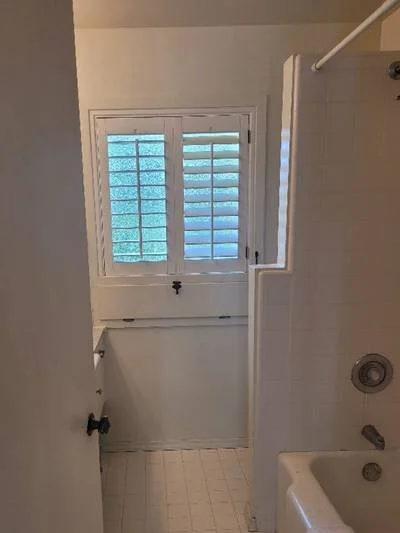
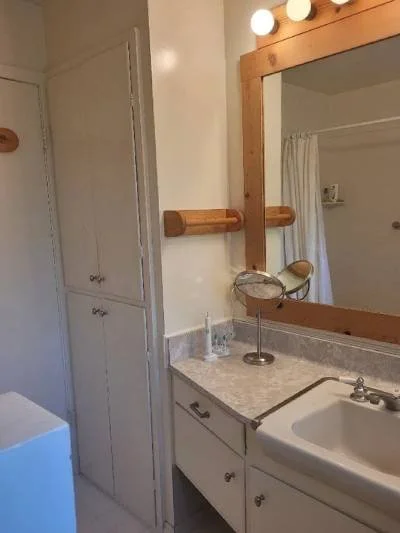
  • A floating vanity with a finished height of just 32 inches and a standard 21-inch depth awkwardly angled into a built-in linen closet.

  • Only 16 inches of clearance between the vanity and the door trim, making the entry feel tight and uncomfortable.

  • A 30-inch tub/shower combo with a stepped wall that disrupted the visual flow of the room.

  • Beige 4x4 tiles, buff laminate countertops, and stark white paint created a cold, clinical atmosphere.

The homeowners dreamed of a walk-in shower and a space that felt larger—without moving walls or plumbing. My challenge as a bathroom designer in Whidbey was to deliver elegance and efficiency within the existing footprint.

After: A Bright, Elegant Retreat

Welcome to Maison Lumière, French for “House of Light”—a name that perfectly captures the transformation.

Layout & Functionality

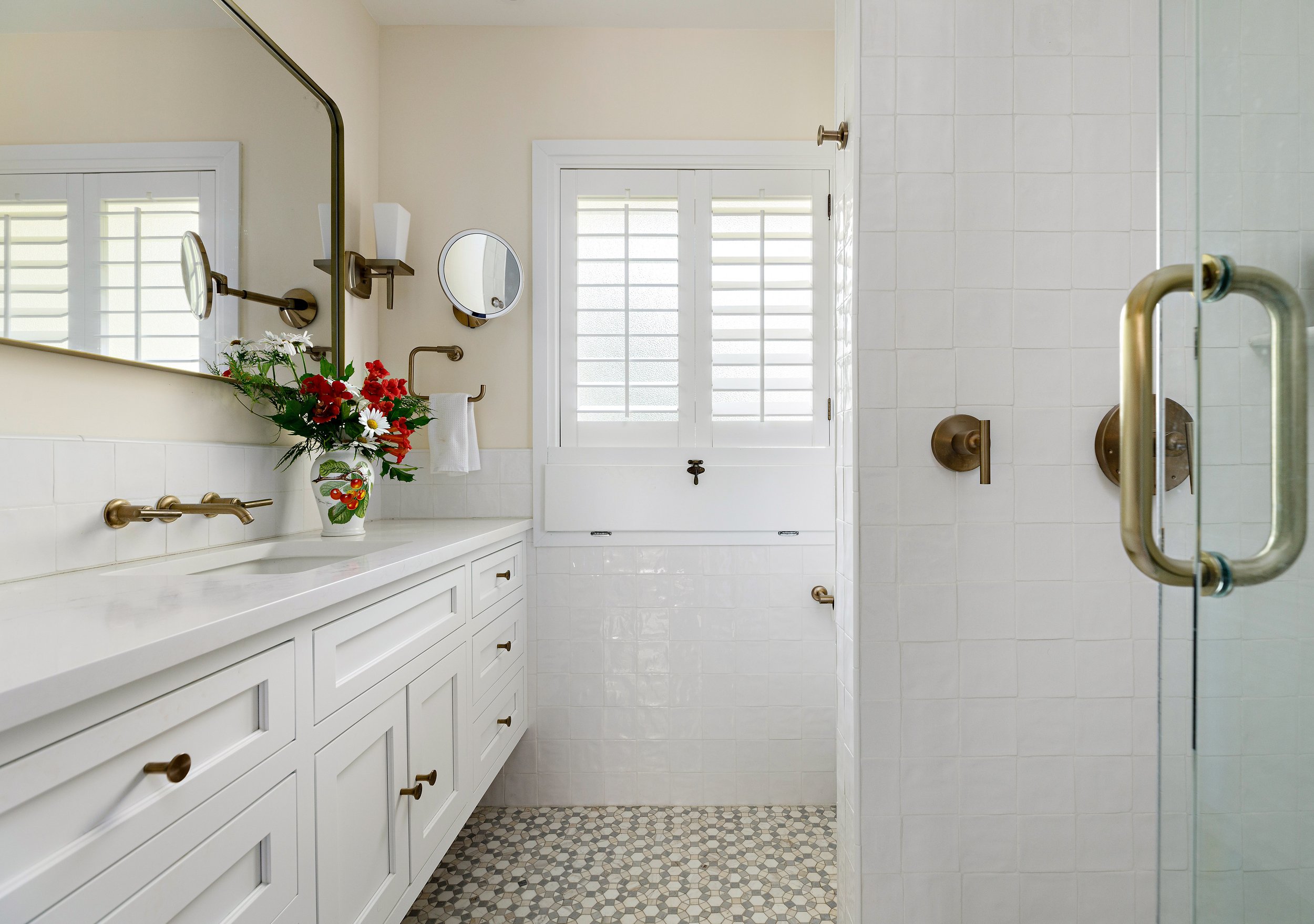
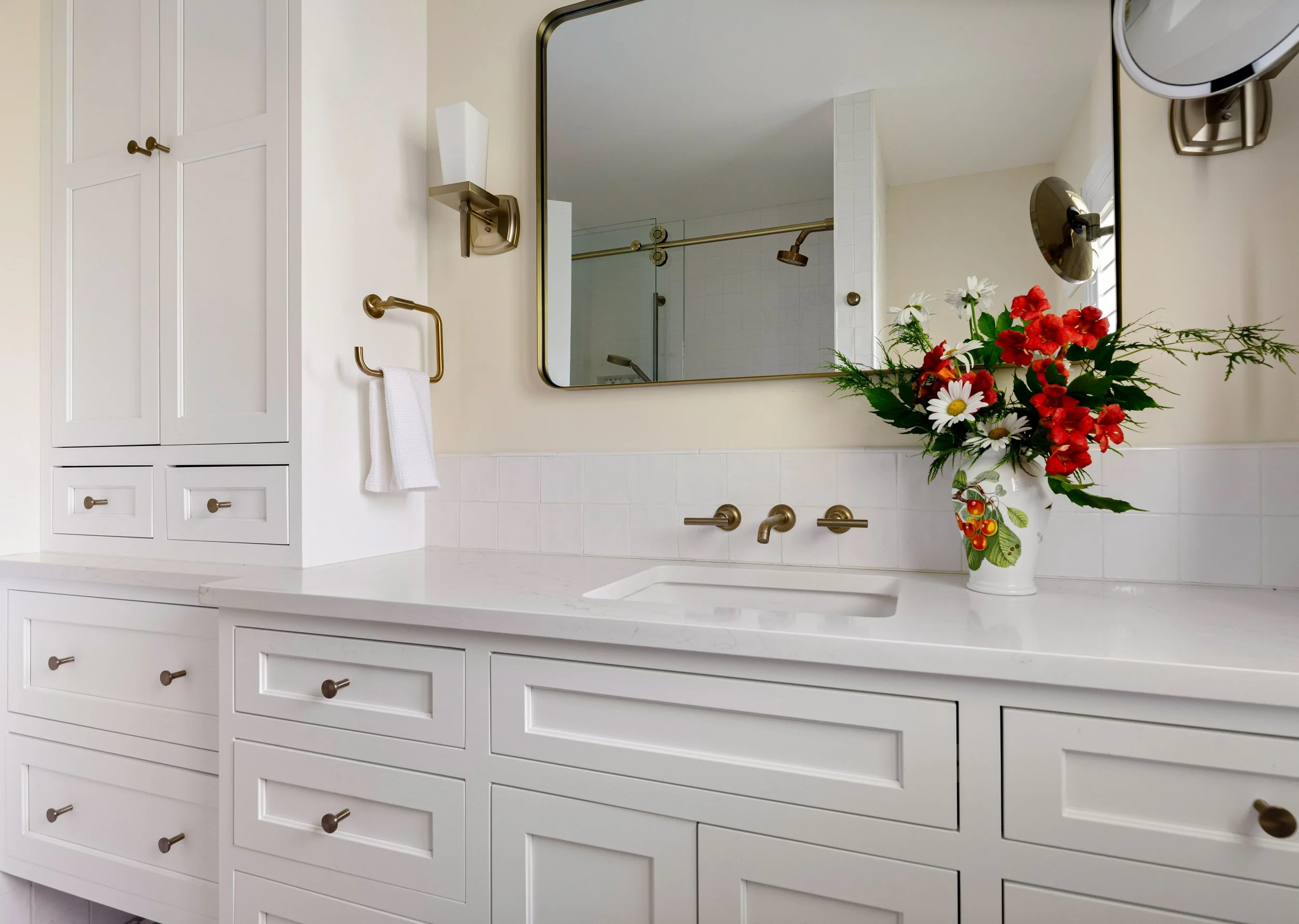
  • Vanity Upgrade: The 21-inch deep vanity was replaced with a sleek 18-inch version, raised to a more ergonomic 36 inches. This simple change opened up the room and improved flow.

  • Linen Cabinet Solution: Instead of angling the vanity, I stepped the linen cabinet, creating a deliberate and elegant transition that preserved storage without compromising space.

  • Wall-Mounted Faucet: A brushed brass fixture adds sophistication while saving counter depth.

Materials & Palette

  • Tile Transformation: Beige tiles were swapped for Moroccan Zelig white tile, adding texture and brightness without overwhelming the space.

  • Countertops: Buff laminate gave way to white quartz reminiscent of marble, bringing a clean, timeless feel to the room.

  • Wall Color: Stark white walls were softened with a buttery hue reminiscent of morning sunlight, warming the entire space.

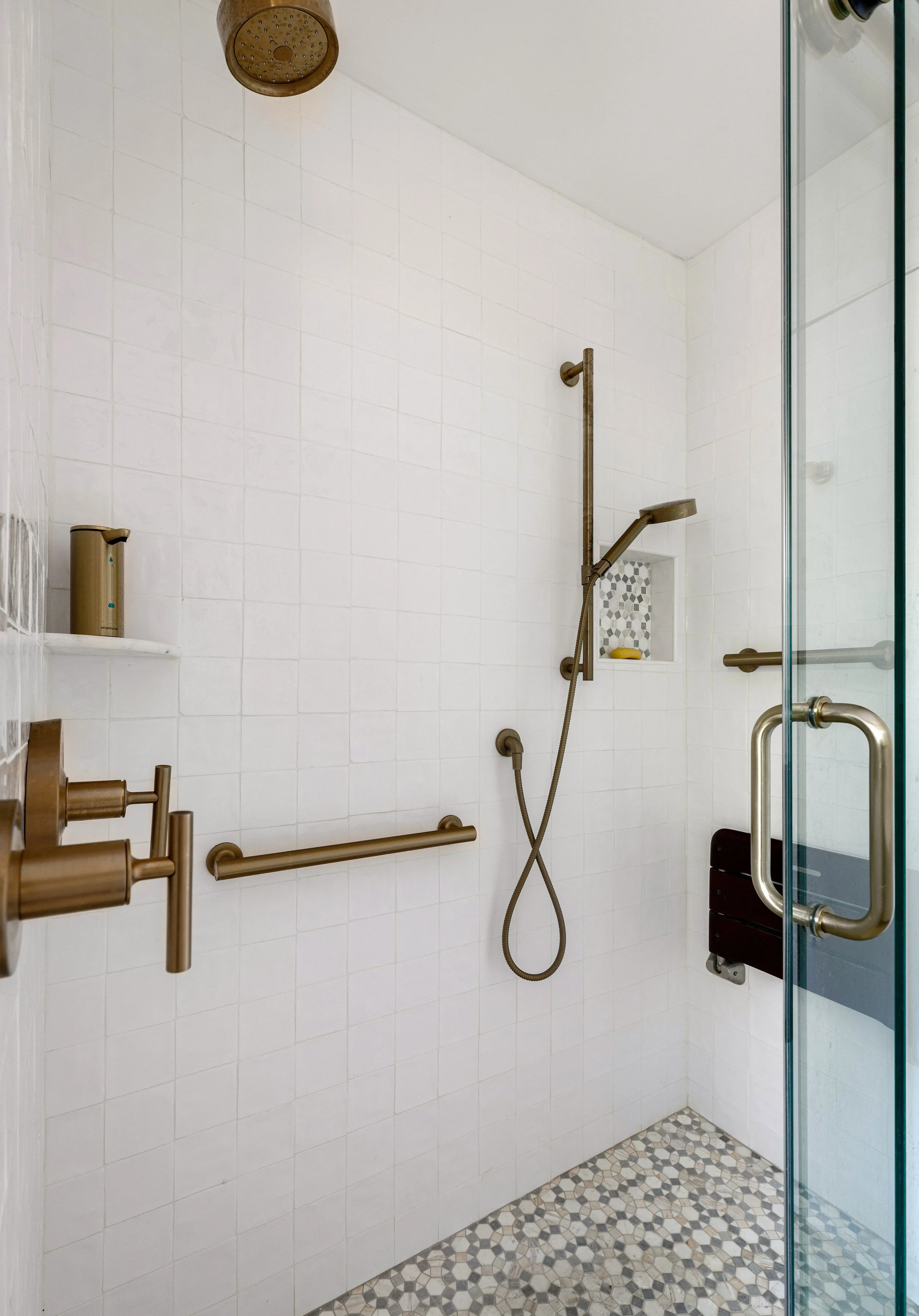
  • Flooring: A mosaic stone floor flows seamlessly into the shower, visually expanding the space and adding organic charm.

Shower Features

  • Walk-In Design: The new shower includes a fold-down teak bench, shampoo niches, grab bars, and both a hand shower and fixed showerhead.

  • Sliding Glass Door: Enhances accessibility and keeps the room feeling open.

Lighting & Finishes

  • Brass Wall Sconces: These elegant fixtures replaced utilitarian lighting, adding ambient warmth and visual interest.

  • Cohesive Brass Accents: From the mirror frame to the faucet, brass ties the design together with a touch of glamour.

🌟 The Result: Style Meets Soul

This remodel didn’t just improve the bathroom’s appearance—it elevated its spirit. Maison Lumière is now a space that invites you in, supports your routine, and reflects your personal style. It’s proof that small bathrooms can be stunning when approached with care and creativity.

As a bathroom designer in Whidbey, I work closely with homeowners across Mukilteo, Edmonds, Bothell, Woodinville, Snohomish, Kirkland, Bellevue, Redmond, and Seattle—helping them transform challenging spaces into personalized retreats that blend form, function, and beauty.

Want to see more transformations like this? Stay tuned for my next case study: Parisian Inspired. Or reach out to Treefrog Design to start your own journey from cramped to captivating.

Expert Design Services in Woodinville and Bothell

At Tree Frog Design, we believe that the kitchen is more than just a space for cooking; it's the heart of your home. Whether you're in Woodinville or Bothell, our team is dedicated to transforming your kitchen into a functional and beautiful space that reflects your personal style. With over two decades of experience and hundreds of successful projects, we are your trusted partners in kitchen design and remodeling.

Table of Contents

1. Why Choose a Professional Kitchen Designer?

2. Our Design Process

3. Gallery of Our Work

4. Client Testimonials

5. Frequently Asked Questions

Why Choose a Professional Kitchen Designer?

Embarking on a kitchen remodel is a significant investment, both financially and emotionally. Here's why partnering with a professional kitchen designer is essential:

● Expertise and Experience: Treefrog Design brings years of experience and a keen eye for design, ensuring your kitchen is both functional and aesthetically pleasing.

● Personalized Designs: We work closely with you to understand your needs, preferences, and lifestyle, creating a custom design that suits your unique requirements.

● Access to Quality Resources: With established relationships with trusted suppliers and contractors, we provide access to high-quality materials and reliable services.

● Project Assistance: From initial consultation to final installation, we assist you and your contractor in every aspect of your kitchen remodel to ensure a smooth and seamless experience.

Our Design Process

At Tree Frog Design, we follow a comprehensive approach to ensure your kitchen remodel meets your expectations:

1. Initial Consultation: We begin by discussing your vision, needs, and budget to understand your goals for the space.

2. Design Develpment: We measure your space and create personalized case studies based on your specific requirements. After materials selection we will create detailed plans and 3D renderings, allowing you to visualize the final result.

3. Material Selection: We guide you through choosing the right materials, including cabinetry, countertops, backsplash, and flooring, that align with your design and budget.

4. Project Execution: We can recommend skilled craftsmen and trusted contractors to bring the design to life, ensuring quality workmanship and attention to detail. We are also happy to work with the homeowners contractor of choice.

5. Final Walkthrough: We conduct a thorough inspection to ensure every aspect of your kitchen meets our high standards and your satisfaction.

Gallery of Our Work

Explore some of our recent projects to see the quality and diversity of our work:

● Modern Elegance: A sleek, contemporary kitchen featuring minimalist design and state-of-the-art appliances.

● Rustic Charm: A warm, inviting space with natural wood finishes and vintage-inspired fixtures.

● Coastal Retreat: A light-filled kitchen with airy tones and nautical accents, perfect for lakeside living.

For more examples, visit our Gallery.

Client Testimonials

Don't just take our word for it; hear from our satisfied clients:

"Kristine was very helpful in helping me design my new kitchen. She was very thorough and listened closely to my needs. She was very knowledgeable in the different styles of cabinets." — M.L.

"She guided me through the entire process, providing both practical and artistic advice. Her team of workers was top-notch and courteous and did an excellent job. For a seamless remodel I would highly recommend Kristine." — F.S.

"Since 2009 I have hired Kristine Tyler of Tree Frog Design to do several remodeling projects and have been incredibly pleased with the results every time." — G.L.

Frequently Asked Questions

1. How long does a kitchen remodel take?

The timeline varies depending on the scope of the project. On average, a kitchen remodel can take between 6 to 12 weeks. Planning and budgeting can take an additional 6-12 weeks.

2. What is the average cost of a kitchen remodel?

Costs can range widely based on materials, design complexity, and size. On average, kitchen remodels in the Pacific Northwest will cost between 10-15% of your house value. About half of the budget goes towards labor costs. The remaining half goes towards materials such as cabinets, countertops, appliances, flooring, backsplash, lighting, plumbing fixtures and hardware.

3. Do I need permits for a kitchen remodel?

If you are making any structural changes to the kitchen, you will need a building permit.

4. Can I live in my home during the remodel?

Most families are able to live in the home during a kitchen remodel. The kitchen is usually sealed off from the rest of the house and the contractor will often set up a space in the garage, or another portion of the home to serve as a temporary kitchen with a hotplate, microwave, toaster oven and other accoutrements.

5. What should I consider when choosing materials for my kitchen?

Consider durability, maintenance, style, and budget when selecting materials. We will guide you through the options to find the best fit for your needs.

Conclusion

Transforming your kitchen into a space that reflects your style and meets your needs is a rewarding endeavor. At Tree Frog Design, we are committed to making your vision a reality. Whether you're in Woodinville or Bothell, our team is here to guide you through every step of the process, ensuring a seamless and satisfying experience.

Ready to start your kitchen remodel? Contact us today to schedule a consultation.

Common Problem Spaces in Home Design

Homes often feature areas that aren't optimized, particularly in kitchens and bathrooms, leading to wasted storage or counter space. This post shares a couple of examples where a door's proximity to a wall creates a design challenge. Both of these older homes could significantly benefit from maximizing their space.

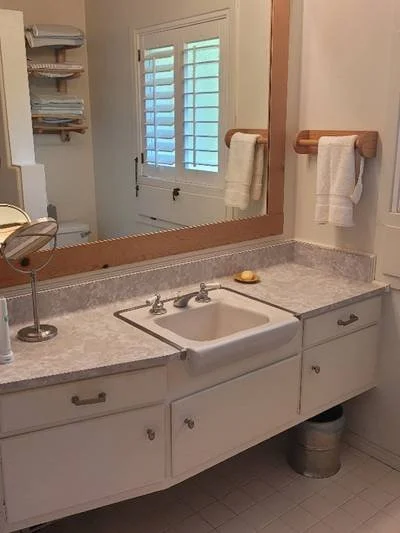
The first example comes from a small master bathroom. Initially, the linen cabinet had a reduced depth. The contractor chose to build an angled cabinet from the vanity sink to the linen cabinet, which created a visually jarring effect. The homeowner contacted me to upgrade the bathroom and inquired about building another angled cabinet. While I can have an angled cabinet built, I questioned its necessity. Stepping the cabinet back and rounding the countertop corner offers an easier solution, resulting in a more visually appealing and practical cabinet and vanity top space.

Homes often feature areas that aren't optimized, particularly in kitchens and bathrooms, leading to wasted storage or counter space. This post shares a couple of examples where a door's proximity to a wall creates a design challenge. Both of these older homes could significantly benefit from maximizing their space.

Before and after slide show

The first example comes from a small master bathroom. Initially, the linen cabinet had a reduced depth. The contractor chose to build an angled cabinet from the vanity sink to the linen cabinet, which created a visually jarring effect. The homeowner contacted me to upgrade the bathroom and inquired about building another angled cabinet. While I can have an angled cabinet built, I questioned its necessity. Stepping the cabinet back and rounding the countertop corner offers an easier solution, resulting in a more visually appealing and practical cabinet and vanity top space.

In addition to the doorway issue, the bathroom's small size made it difficult to use for an older couple. We removed the tub/shower combination and installed a walk-in shower. Keeping the field tile and cabinets in monochromatic white and replacing the shower curtain with glass made the room feel bigger and brighter. To add visual interest, we incorporated a marble mosaic pattern on the floor that extends into the shower, creating a more cohesive feel.

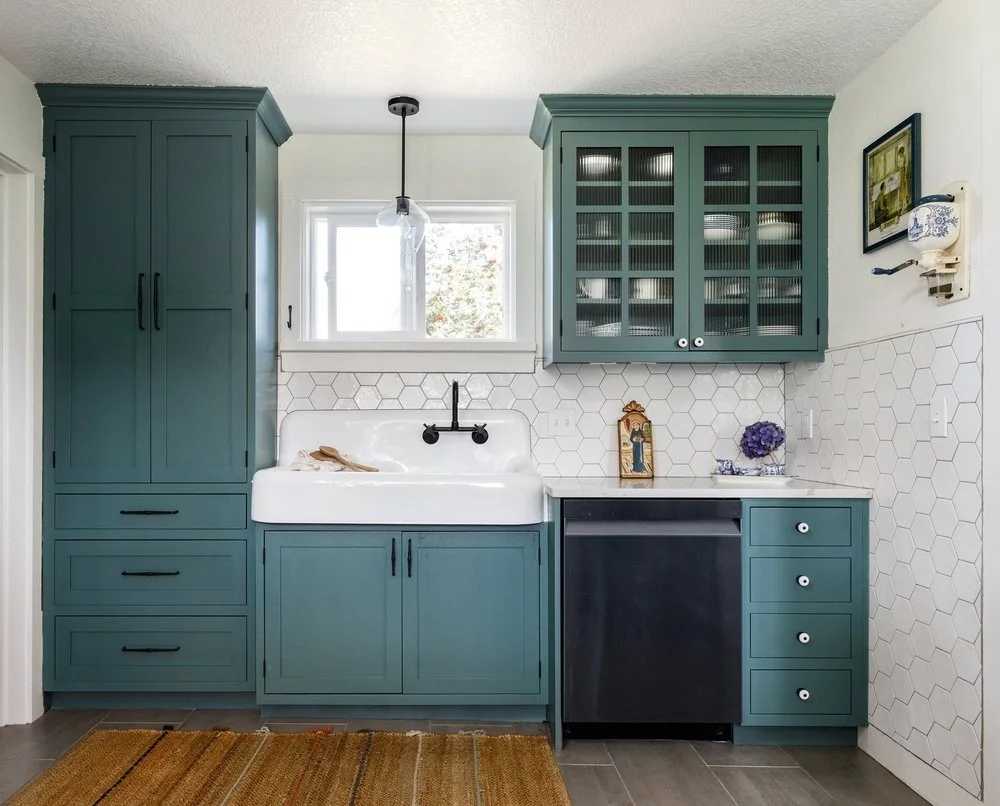
The second example is from a kitchen in a historic Everett neighborhood. In the "before" photo, it's hard to see, but there's only 13-1/2" from the wall to the mudroom door trim. Ther was a cart placed there for extra storage. The homeowner wanted to add a dishwasher that didn't have to be wheeled across the kitchen to wash dishes.

In the "after" photo, you'll notice the new dishwasher placed to the right of the sink. Since all dishwashers are 24" deep, and given the 13.5" space to the doorway on the other side of the kitchen we needed to get creative with how we treated that wall. The question became how to transition from a 24" deep cabinet back to a 13.5' deep cabinet. We decided to step-back the cabinetry. The homeowner loved the Barclay sink with its built-in drainboard, which also fit the house's historical style. Inspired by unfitted English kitchens, we treated each piece as individual furniture. The Barclay sink is 18-5/8" from the backsplash to the front, so we had a console built for it that was 18" deep. The dishwasher and drawers next to it are a separate piece with their own countertop. Adding the tall pantry cabinet to the left of the new sink cabinet allows for extra storage of items that don't get lost in the back of a cabinet. This design maximizes the space while remaining visually appealing.

Other improvements include switching from two small sinks in the double bowl to one large sink in the single bowl. Also, there was previously no place to set anything to the left of the sink, as the countertop just dropped off. The Barclay sink with the built-in drainboard provides counter space to the left of the sink that can be used as a drainboard.

Designing for Art: A Picture-Perfect Bathroom

AFTER

AFTER

Sometimes designing a room will build upon one inspiration as the room begins to take shape. That is how this particular bathroom came to be.

AFTER

AFTER

The new owners of this home in Freeland, Washington had a master bathroom with a lot of funky angles and only 2 feet between the shower/bath and the vanity. Although they are currently in good health, they wanted to make the bathroom more handicap accessible to be able to age in place. They wanted to enlarge the bathroom by relocating the small walk-in closet and combine the two rooms into one large master suite.

There were a few things to keep in mind while laying out the new bathroom.

1.     The attic access in the closet needed to remain where it was and we needed it to remain easily accessible.

2.     There was a skylight in the bathroom that was located over the existing shower/tub combination. This needed to remain where it was.

3.     The water closet housing the toilet was to remain where it was as it was accessible, functional, and to move it would cost more money.

Once I entered all the measurements into the computer and started constructing a new layout a few different elements came into play.

1.     Double Sink Vanity:  I wanted the couple to still have a double vanity and it was not going to be possible with the existing angles if we put it on the north/entry wall of the bathroom. The double sinks either needed to stay where they were on the east wall of the bathroom, or they needed to move over to the west wall of the bathroom.

2.     Handicap Accessible Shower: This also needed to be located on the east wall or the west wall. There simply wasn’t enough room to put this on the north wall without making the bathroom seem a lot smaller and chopped up.

3.     If the east wall and west wall were taken up with the usual focal points of the bathroom (shower & vanity), what would we do with the north wall, which was what you see when you enter the space?

It became apparent that the best place for the double vanity would be underneath the attic access. This way a door could still be pulled down and clear the countertop. I also liked the idea of centering the new walk-in shower on the skylight. The only remaining question was what to do with the big, angled north entry wall.

I always try to design a room based on what a person sees when they first enter a space. In this case, the client would see a large, blank wall with an angle in it. We needed to add something to enhance the wall. I asked them if they had a piece of art they would like to showcase and it turns out, they did!

They walked me into a room and showed me a piece that they were trying to figure out where to place in their new home. It was perfect for the new bathroom. Looking at it I was reminded of a tile I had seen a few months previous in Bellevue at Dwellings Tile & Stone. It was a large format called Mojave Blue by Artistic Tile. The homeowners loved the tile and it worked perfectly with the painting. Now this is a tile that is a focal point all on its own and we didn’t want to go overboard with it. We placed it on the east wall behind the vanity and the west wall where you enter into the shower. The rest of the bathroom walls and floor were tiled in soft, neutral colors that subtly compliment the Mojave Blue and showcases the painting, bringing a visual balance to the bathroom. What do you think?

BEFORE

BEFORE

AFTER

AFTER

How Much Does a Kitchen Remodel Really Cost? A Cost Analysis:

Part of my job as a designer is helping people sort out their budget, verifying costs and thinking of ways to get the best value you can get on your investment in a remodel. It’s one of the first questions I ask, “What is your budget?” I don’t ask this because I want to spend your entire budget (my services are actually a flat fee so it’s a moot point). I ask this because I am trying to figure out if you can proceed with your remodel with realistic expectations. It’s a completely free conversation that takes place before a homeowner decides to hire me.

Quite often I am told someone doesn’t really know what their budget is and that they need some guidance. A prospective client may be in the beginning phases of thinking about a remodel and collecting some figures or doing some research. In order to give people a ballpark budget I usually advise that a kitchen remodel will run about 10-15% of the house value. Now, that doesn’t mean that your kitchen remodel will even cost 10%. It also doesn’t mean you will stay under 15%, but it does give a person a realistic budget to work with.

About 50% of the budget goes to the labor. That means your general contractor, electrician, plumber, painter, tile setter, flooring installer… The other 50% goes towards materials (cabinets, countertops, backsplash, light fixtures, hardware, appliances, flooring, plumbing fixtures…). I am not sure this figure carries across all over the country, but in the greater Seattle area (where I work) it holds pretty true.

I decided to break down the costs on this “budget” remodel to give people a better understanding of where their money goes in a kitchen renovation and this kitchen in Coupeville is a great example.

The homeowners came to me and asked if I could design a kitchen for them for a $35,000 budget. Although $35,000 is a lot of money, for a kitchen remodel it is a tight fit. In my head, the first thing I thought of was, “that leaves me with $17,500 for all the materials… Can I do it”? Appliances alone can cost $7,000 and any countertop but laminate was going to require a slab. The flooring also needed to be replaced and they wanted to enlarge the scope of the kitchen. The range was crammed up against the wall by the garage and there was only 12” on either side of the range to pull off pots and pans. Could I do this?

I knew I would have to move the refrigerator. The range was already venting out of the ceiling, and in their case, it would cost more money to move the range that the fridge. There was no way around that decision if they were going to gain ample space to cook. The homeowners had already expressed that they wanted to move the glass slider down to get a little more cabinet space and they also wanted an eating bar. The countertops were being used to hold the appliances like the microwave instead of being able to be used as work surfaces. If they were going to go through the expense of a kitchen remodel, these were all issues that needed to be addressed.

Background on the homeowners:

·         They were young (in their 20’s) so I didn’t have to worry about arthritis, or bad backs or mobility issues I may have needed to address if they were older.

·         This wasn’t going to be their forever home. They had just bought the home and needed it to be functional, but they would need to recoup any remodeling costs in the resell of the house. They were probably looking at moving in the next 3 years.

·         The husband was in the navy and they had learned to “travel light”. There wasn’t 20 years of kitchen gadgets, dishes and glasses they had to plan for. These two kept it simple.

·         They planned to reuse all their appliances since they were all new to the home.

I thought that I could give them a kitchen design and remodel based on their budget knowing what I knew about them. I explained the pros and cons about every decision along the way. The decisions we made to keep costs down were as follows:

·         Full height doors everywhere except for 1 drawer bank. Drawers and roll out shelves are double the cost of a cabinet with full height doors and adjustable shelving. I would never suggest to someone that was going to be in their house long term, or who was over the age of 35 to go this route because drawers are much more functional in a kitchen. However, this couple was young, fit, didn’t have a ton of pots and pans and they would probably move within 3 years. The decision kept costs down on the cabinets. Down the road if a new homeowner buys the house, they can install roll out shelves if they want the convenience of drawers.

·         Builder grade cabinets. This particular line is Bellmont’s 1600 line. It is the only builder grade cabinet that I would actually put in my own house (because I am a fancy pants kitchen designer). Bellmont has a wonderful selection of textured melamine cabinets that are very contemporary in style and fit into the budget perfectly.

·         Countertops were a quartz manufactured for the fabricator that was priced by the square foot.

·         Wall cabinets flank the range, but we cut down on cabinet costs by installing floating shelves by Whidbey Millhouse on the sink wall. These shelves are made from reclaimed wood beams.

·         We used a vinyl floor in the kitchen.

·         All the appliances were reused, nothing new needed to be repurchased.

·         The sink and dishwasher stayed in the same location.

More expensive decisions we made that added to the design and function of the kitchen were as follows:

·         We added an extra window for light. There was already a window over the sink. The homeowners installed a new slider further over on the wall so it gave them an opportunity to put in another window to match the first.

·         The first thing you see when you enter the home used to be the sliding door and the deck. Since they were moving the slider, I wanted to first impression upon entering the home to still bring you into the outdoors. That’s why I suggested adding another window.

·         There were only 3 places for the fridge to live.

1.      Option 1- the same place next to the range. That wasn’t working for the cook.

2.      Option 2- next to the run of cabinets where the trash bin used to sit. Since the sliding door was moving down, we could have moved the fridge to that wall. I didn’t like this solution for two reasons. I didn’t want the refrigerator to be the first thing you see when you entered the house and I didn’t want the fridge to separate off the eating bar. It made sense to keep the countertop continuous.

3.      Option 3- was the winner. We recessed the fridge into the garage wall and replaced the door to the garage with a more attractive one.

Here is how the materials budget broke down:

·         Cabinets $7550.

·         Countertops $4150 (material, fabrication and installation)

·         Appliances $0 (All reused)

·         Tile & Grout $1300

·         Vinyl Flooring $300

·         Lighting $200

·          Pulls $80

·         Plumbing Fixtures $200

$13,780 approximately for materials on this kitchen remodel.

$22,000 approximately for labor on this kitchen remodel. This including plumbing, electrical, flooring and tile installation, window and door installations, recessing the fridge into the garage, appliance installation, drywall repair and paint, cabinet and shelving installation, moving the slider…


$35,780 was the approximate cost on the entire kitchen. The house is valued at $315,816 (according to Redfin). The kitchen remodel was just over 11% of the value of the home. How did we do?

Before

Before

After

After

Before

Before

After

After

After

After

Before

Before

After

After

Cabinets are Like Burgers

Fast food, an upscale chain, or your local Bistro? Wait… What? Yep, think of it this way, you drive through your local fast food restaurant. You are hungry and you know what you are getting. The pros are fast services (they are premade) & inexpensive prices. The cons are a limited menu, questionable nutrition and (many would say) palatability. You can ask for a burger without the pickle, but in the end you are going to have to remove the pickle yourself.

Then you have some upscale hamburger chains. These are the places that offer 15 different choices of burgers and you can usually customize your order (I’ll have the California burger without the onions). Here you have to wait because they have to cook your order. The burgers are more expensive but the ingredients are fresh.

The third option is visiting your local Bistro where Chef Raul has agreed to serve hamburgers on his menu. However, he has perfected what is quite possibly the most delicious hamburger you have ever tasted in your life! How did he do that? He’s not telling it’s a secret recipe. You won’t be able to repeat this at home. You also just paid $50.00 for a hamburger.

All 3 versions have their market and most people will visit each establishment at least once in their lives. Some people live on fast food, some prefer upscale chains and some treat themselves to Raul’s special recipe.

Cabinets are the same: Contractor Grade = Fast Food.

 In order the keep costs down on these cabinets sacrifices have to be made. This is easier to do with a limited menu. The wood quality, finishes and hardware will have to be sacrificed too. There are few custom options on a builder grade cabinet and because of this they do not usually stand the test of time and do not always make the most efficient use of the space available. These cabinets aren’t really a good long term investment, but many homeowners choose this route because they are in a starter home or plan on selling or renting in the near future.

  • Faster Service (Many are premade or quickly made).

  • Limited Choices (cabinet sizes, woods, door styles and finishes).

  • Less Expensive (cheaper hardware, lower grade of lumber)

  • Lower Quality of Construction

Custom and Semi-Custom Cabinet Company = Upscale Chain

These are the cabinet companies that are large enough to have a distributorship. Your local kitchen showroom is usually a distributor for 2 or 3 different cabinet companies. This allows them to be able to offer the consumer a full service of design options, wood species, door styles and finishes available. What this means for the homeowner is more options in style and price range and you can usually find what you want.

Custom Cabinet and Furniture Builders = Chef Raul

High end custom cabinet and furniture builders will give you the highest quality of materials and craftsmanship that is available on the market. They have the ability to give you whatever you want in trims, custom finishes, sizes…etc. These kitchens are put together by craftsmen who are the best in their trade. Consequently, the cabinets are more expensive because much more has gone into their construction.

Now that should be some food for thought.

12 Essentials for a Kitchen Remodel

The kitchen is the heart and soul of a home because it serves so many purposes. Think about all the things you do in your kitchen. Not only do people prepare meals in them, but the modern kitchen is a multi- purpose room where people gather, visit, entertain, cook, prep, eat, pay bills, do homework, and so much more. A well planned kitchen will take all of this into consideration plus make it the most functional workspace in the house. What follows is a list of 12 essentials that should be planned for before you move forward with a kitchen remodel:

1.     A quality hood
The sole purpose of a range hood is to improve air quality and rid the space of fumes and smoke. This is done by venting the hood directly outside instead of just recirculating the air around the space. Stay away from ductless and microwave hoods.

  • What are the considerations in a good hood?

    • CFM (how many cubic feet per minute of air can be exhausted). The higher the CFM, the better the hood is at capturing smoke and odors. A good quality hood will have over 400 CFM and preferably at least 600 CFM.

    • Venting. Moving the fumes outside (instead of a ductless hood that just recirculates the odors). Vent it out!

    • Captures the whole cooktop surface instead of just the back two burners.

    • Number of fan speeds (three is good). This allows you to remove quickly at a higher speed and move it to a quieter low speed.

    • Exhaust timer will turn the fan off after a set amount of time.

  • Make sure your hood is installed correctly and is the right height from the cooking surface per the factory suggested specifications (usually 24-30”).              

2. Microwave types & placement

  • Types: How do you use your microwave?

    • Do you like the idea of a second oven, but aren’t sure if you have the space? You can invest in a convection bake microwave that has the option of working as an oven or a microwave. These models will fit in a 27”, 30” or 36” cabinet and have optional trim kits available for a built in look.

    • Do you just need a basic model to reheat your coffee? There are many options available. Consider size and how you would like to use it. A GE Spacesaver is great because it will fit on a 12” deep shelf. All other models currently on the market will need at least 15-16” deep shelf to sit on.

    • Placement: Get it off the countertop. Work surface is a valuable resource in a kitchen and a microwave can take up a lot of it. Just keep your ventilation in mind.

      • Installing it under the countertop or in an oven cabinet is great for a built in look.

      • Placing it on a standard depth wall shelf (12”) works for a GE Spacesaver.

      • Hide it in a pantry cabinet.

3.     Trash/recycling placement options

  • Trash/recycling cabinet. These can be attached to the cabinet door for easy access. You will need a minimum of 15” width to accommodate this kind of cabinet.

  • Keep it under the sink. Still a popular option for many homeowners. Small trash bins can usually be found at container stores. Most sink cabinets do not come with an option for pull out trash bins because of space issues with the P-trap and garbage disposals. If this feature is important to you it needs to be planned out in advance with your plumber, contractor or kitchen designer.

  • An old fashioned trash compactor. These have been on the decline in recent years, but still a great option for household garbage. There are many contemporary models on the market now as well as integrated models that will accept a cabinet panel.

4.     A quality undermount sink

  • I am a fan of a quality drop in sink also, but these are easier to replace than an undermount sink.

  • Undermount sinks are great for easy clean up and a little extra countertop space, but it is a lot harder to replace a poor quality sink if it is sandwiched in between your countertop and cabinets.

  • What to look for in a quality stainless sink:

    • The lower the gauge, the thicker the steel. 16-18 gauge is preferred. Why? Strength and noise reduction. Higher gauges sound tinny, noisy and prone to scratches and dents. There is a lot more vibration.

    • Proportion of nickel to stainless steel: 18:8 is preferred. Why? Optimal erosion and stain resistance. Your sink should not hold a magnet

    • Finish–A satin finish will hold up better than a matt finish steel.

    • Insulated undercoatings are also important in keeping the noise level down and reducing moisture condensation on the base cabinet.

5.     An interesting backspash
Whether it’s tile, metal or stone, the backsplash can be the most overlooked area to make your kitchen stand out and give it a “wow” factor.  How many times have you seen a new kitchen and thought, “Yes, that looks nice, but it’s kind of boring”. Take another look at their backsplash. Did they just run their countertop material up 4” on the wall? This is your opportunity to make your kitchen really shine.

6.     Undercabinet lighting

  • Adds extra task lighting while you are cooking

  • Adds a beautiful ambience to the room

7.    A good work triangle
Based on years of practical research, a good work triangle means a more efficient kitchen. In larger kitchens you can bring in second prep sink and effectively set up two work triangles.

8.     Counter space close to the fridge
Makes it easier to load and unload groceries if there is counter space close by. Otherwise, you are in the uncomfortable position of loading and unloading from the floor or walking across the room every few seconds.

9.     Separate workstations (washing, prepping, cooking…)
Your workstations are really what makes your kitchen most functional. In smaller kitchens sometimes a workstation will need to do double duty (washing up and prep), but in larger kitchens they can be separated and give the user a bit more space to cook without clutter.

10.     Soft close hardware
Soft close hardware on your cabinet doors and drawers is a wonderful feature that will preserve the life of your cabinets. So often we unintentionally close a door or drawer harder than we intended to and for those of us with children this feature is wonderful. Most every cabinet line has soft close as an option and some even incorporate it into their entry level cabinet lines as a standard.

10.  Know your countertop options and the pros and cons of each. For a more detailed list of current market selections click here.

  • Stone

  • Engineered Quartz

  • Porcelein Slabs

  • Tile

  • Wood

  • Solid Surface

  • Lamnatee

  • Glass

  • Recycled

  • Metal

  • Concrete

11.  A quality installer with an eye for detail and good references. Look for the following when selecting your contractor:

  • A good finish contractor
    Most important when you are doing construction or remodeling of any kind is the selection of your installer. I cannot stress this enough. There are many contractors out there who are good at the rough in stuff, but lose their attention when it comes to the detail work.

    • Are your cabinet doors hung crooked? Have the drawers been adjusted?

    • Are your tile grout lines evenly spaced and cut? Is there grout or epoxy spilled over onto the tiles?

    • Are there visible gaps in the countertop seams or between the wall and backsplash?

    • Are your cabinets installed level?

  •  Is he licensed, bonded and insured?
    There is a reason for being licensed, bonded and insured and it is to protect you as a homeowner. If you hire someone and the work starts to fail in the first year you need to be covered. Sometimes it isn’t the contractor, but a product they decided to use. If the product was purchased by the installer it falls under their warranty and they need to take care of it. Failure to do so will jeopardize their license. This is a strong incentive to do a good a great job initially and to use quality products.

  • Ask for references and pictures and check those references. Look at those pictures. Can you see any of their detail work?