
Cabinet Frame Styles Framed vs Frameless
/Cabinetry is more than storage—it’s architecture for daily life. The way doors and drawers meet the cabinet box defines not only the look, but also the craftsmanship and functionality of the space. At the heart of this conversation are two distinct construction styles: framed and frameless. Within these, we find variations like framed overlay, framed inset, and European frameless. Each carries its own story, aesthetic, and practical implications.
Framed Cabinets: The “Picture Frame” Approach
Think of a framed cabinet as having a wood “picture frame” applied to the face of the cabinet box. This frame provides strength and structure, while also shaping the aesthetic. Doors and drawers interact with this frame in two primary ways: overlay or inset.
Framed Overlay
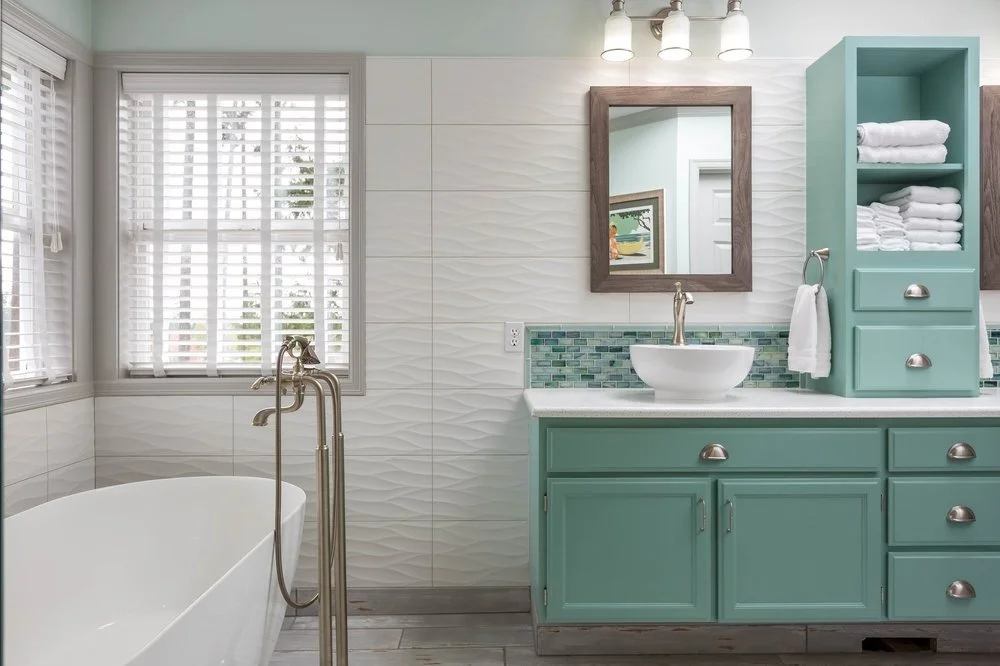
Definition: Doors and drawers sit on top of the picture frame, partially or fully covering it.
Example: Mukilteo Bathroom Remodel — here, framed overlay cabinetry was repainted and reused to save the homeowner some money. If you look at the cabinetry, you can see the frame peeking through. The doors and drawers have a partial overlay of the frame. While durable and versatile, this style is my least requested. Most clients either prefer the extra storage space of frameless cabinetry or the timeless craftsmanship of inset.
Pros: Cost-effective, adaptable across design styles, adds strength to the cabinet box.
Cons: Frame reduces interior space; visible frame edges can break the seamlessness.
Framed Inset
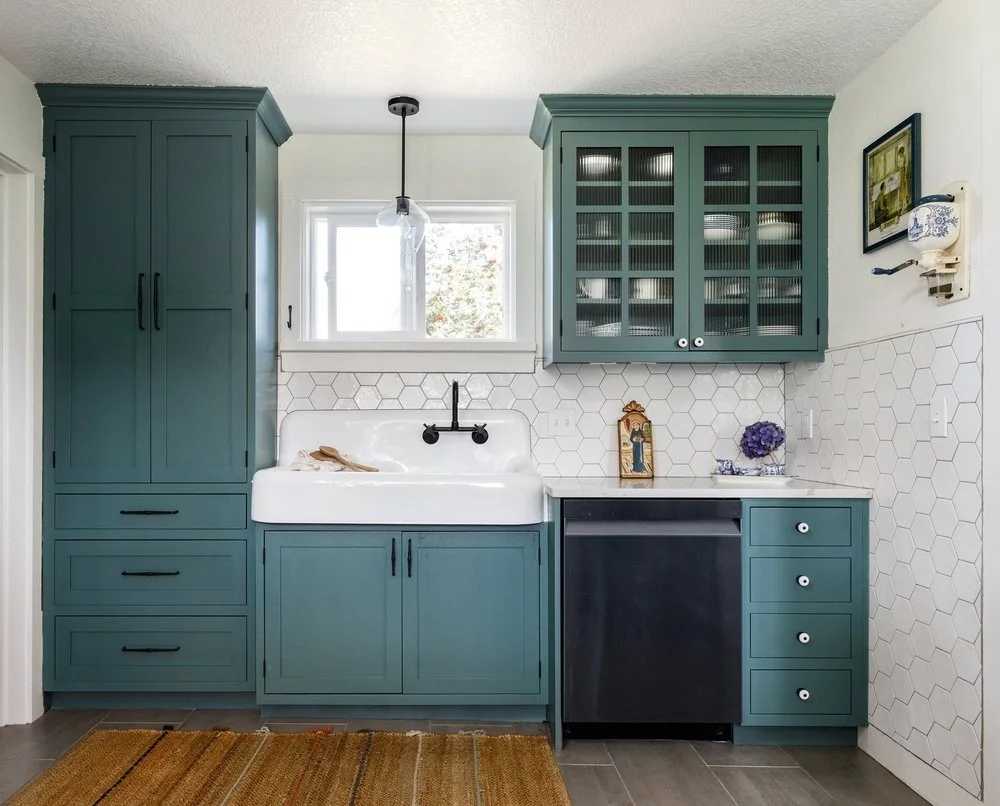
Definition: Doors and drawers are inset flush within the picture frame, sitting perfectly aligned.
Example: Vintage Craftsman Bungalow — this project showcases the refined artistry of inset cabinetry. The craftsmanship of the frame gives the cabinets a furniture-like quality, timeless in appeal and deeply rooted in tradition. A framed inset cabinet can also look quite lovely in a more contemporary setting simply by changing the door style to a flat surface.
Pros: Elegant, bespoke, and historically resonant.
Cons: Higher cost, slightly reduced storage, requires precision joinery and occasional adjustment.
Frameless Cabinets: Full-Access Modernity
Frameless cabinetry eliminates the picture frame entirely. Instead, doors and drawers attach directly to the sides of the cabinet box using specialized hinges. This construction maximizes interior space and creates a sleek, seamless aesthetic.
European Frameless
Definition: Doors and drawers mount directly to the cabinet box, with no frame.
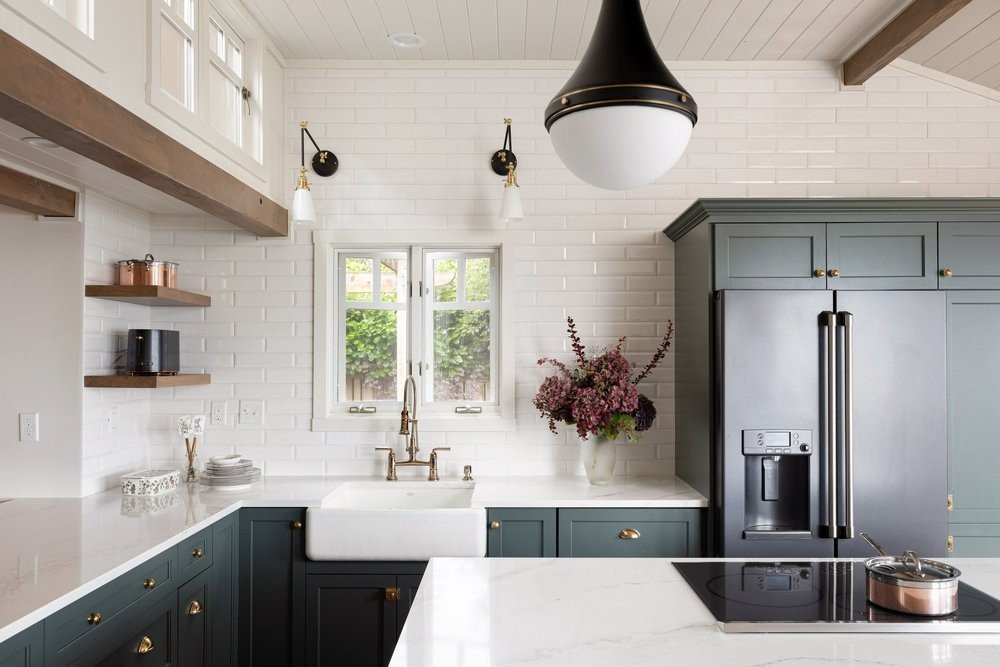
Example 1: English Cottage Kitchen — though traditional in appearance, this kitchen benefits from the modern convenience of frameless construction. It blends old-world charm using a Shaker door style but with contemporary efficiency.
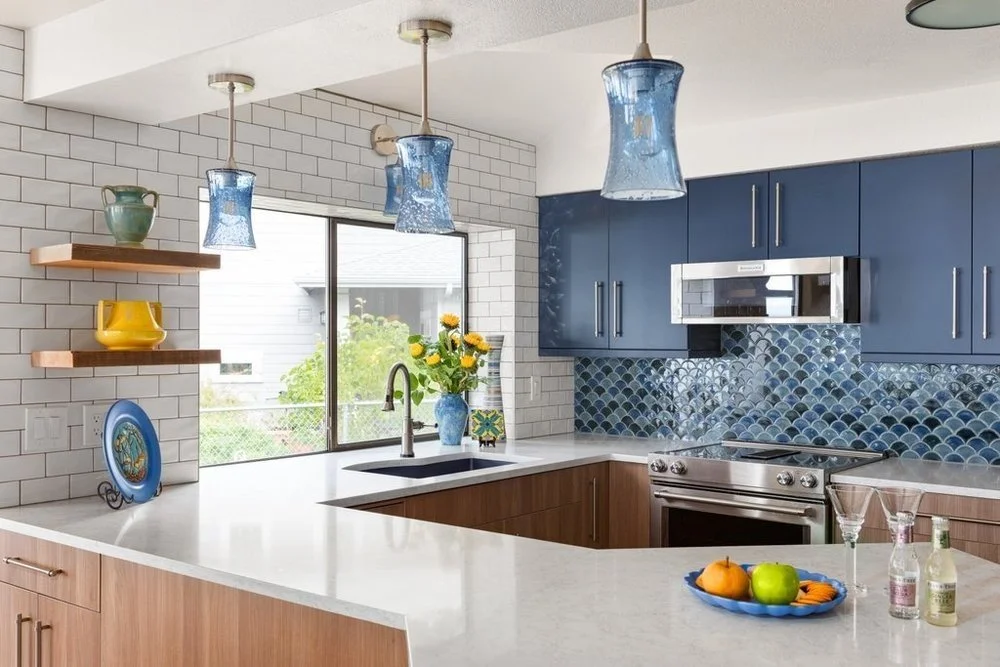
Example 2: Marine View Kitchen — here, European frameless cabinetry is paired with a modern door style, resulting in a crisp, contemporary aesthetic. The streamlined look underscores how versatile frameless construction can be across design languages.
Pros: Maximized storage, clean lines, ideal for small or modern kitchens.
Cons: Requires precise installation; less forgiving than framed cabinetry.
Choosing Between Framed and Frameless
Framed Overlay: A practical option, but less popular among clients who prioritize either space or craftsmanship.
Framed Inset: Perfect for homeowners seeking timeless elegance and furniture-like cabinetry, as seen in the Vintage Craftsman Bungalow.
European Frameless: Offers efficiency and modernity, whether paired with traditional styling (English Cottage Kitchen) or contemporary design (Marine View Kitchen).
Final Thoughts
Framed vs. frameless cabinetry isn’t just a technical distinction—it’s a design philosophy. Framed cabinetry celebrates craftsmanship and heritage, while frameless cabinetry embraces efficiency and modern flow. The choice depends not only on budget and function, but also on the story you want your kitchen—or bathroom—to tell.