
Designing Beyond the Kitchen: How Cohesive, Multi-Room Remodels Transform Your Entire Home
/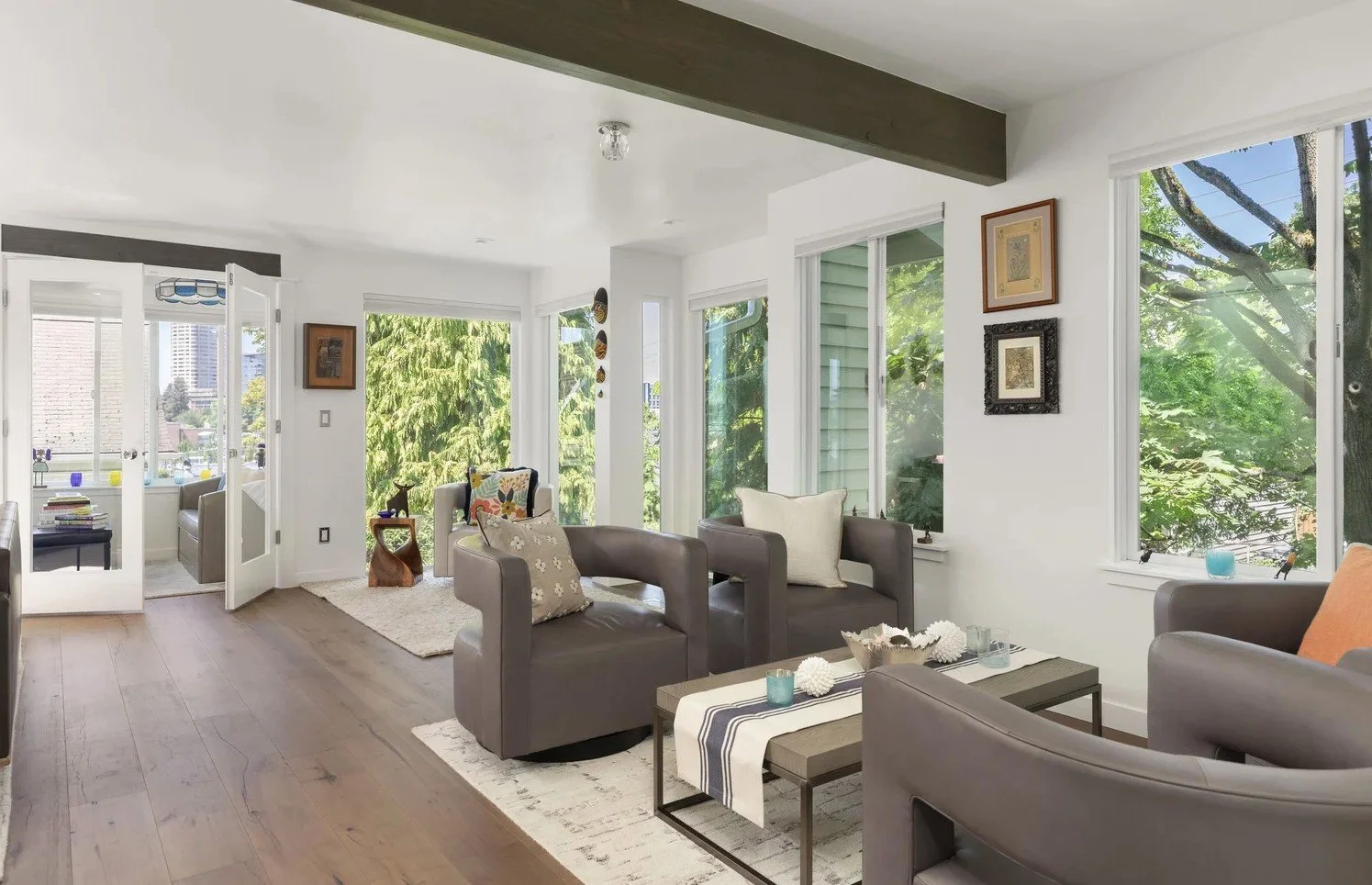
A beautifully designed home has a quiet confidence about it. Each space feels connected. Materials flow naturally from room to room. Storage works effortlessly, and every detail feels intentional.
When design is approached holistically rather than one room at a time, the result is not just a remodel it’s a complete lifestyle upgrade.
At Tree Frog Design, we specialize in creating cohesive environments that go beyond the kitchen. Whether it’s a kitchen paired with multiple bathrooms, a laundry room, or a full-home remodel, our work is rooted in thoughtful planning and a deep understanding of how people live in their spaces.
This blog explores why multi-room design is gaining popularity, how the process works, and what makes these larger-scale remodels so impactful.
1. Why Homeowners Are Choosing Multi-Room Remodels
While kitchen remodels remain a popular starting point, many homeowners are expanding their projects to include multiple spaces at once.
Instead of updating rooms in isolation, they are choosing to redesign their homes as a unified whole.
The Benefits of a Cohesive Approach
Designing multiple rooms together allows for:
• A consistent visual language throughout the home
• Better flow between connected spaces
• Smarter material selection across rooms
• Fewer disruptions compared to phased remodels
It also creates an opportunity to rethink how the home functions as a whole, improving layout, storage, and daily usability.
2. A Whole-Home Perspective: Designing for Flow and Function
When multiple rooms are remodeled together, design decisions become more intentional. Every choice cabinetry, tile, flooring, lighting works together rather than competing for attention.
Creating Seamless Transitions
In open-concept homes especially, the kitchen, dining, and living areas must feel connected. This often involves:
• Aligning color palettes across spaces
• Repeating materials or patterns in subtle ways
• Designing sightlines that feel balanced from every angle
Rather than treating each room separately, we approach the home as one continuous experience.
3. Case Study: The Urban Treehouse
One of the most comprehensive examples of this approach is the Urban Treehouse project a full, three-level remodel in Seattle.
This project included:
• Kitchen and multiple bathrooms
• Laundry room and offices
• Living and dining areas
• Primary suite and walk-in closet
We reimagined the home entirely adjusting layouts, reframing walls, rerouting pathways, and updating every surface. From cabinetry and countertops to lighting and plumbing fixtures, every detail was carefully selected to support a cohesive design vision.
The result was a home that not only looked unified but functioned more naturally for the homeowners’ daily lives.
4. Case Study: Soft and Romantic – Designing Across Connected Spaces
In another project, often referred to as Soft and Romantic, the focus was on redesigning the main living level of the home.
This included:
• Kitchen
• Dining room
• Family room
• Pantry
• Powder room
Designing for Visual Continuity
The original layout felt closed off and disconnected. By removing walls and opening up the space, we created a more inviting and functional environment.
Cohesion was achieved through thoughtful material repetition:
• A pearlized chevron tile pattern used in the kitchen reappeared in the dining area
• Complementary marble tones carried into the powder room
• Cabinetry styles and finishes were balanced across spaces
• Flooring was unified throughout the level
Each room had its own identity, but all worked together to tell a consistent design story.
5. Materials and Details That Tie Everything Together
In multi-room remodels, material selection becomes even more important. Every finish contributes to the overall harmony of the home.
Cabinetry Across Spaces
Cabinet styles and finishes often extend beyond the kitchen into bathrooms, laundry rooms, and built-ins. This creates continuity while allowing for subtle variations.
Tile as a Unifying Element
Tile is one of the most versatile tools for tying spaces together. A pattern used in one room can be echoed in another with a different scale, material, or layout.
Flooring That Grounds the Design
Consistent flooring helps anchor the entire home. Whether it’s engineered hardwood or luxury vinyl plank, continuity underfoot creates a sense of flow.
6. Smart Planning for Larger Remodels
With multi-room or whole-home remodels, planning becomes even more critical.
Key considerations include:
• Structural changes and layout improvements
• Coordinated material sourcing
• Budget allocation across spaces
• Construction sequencing
By addressing these elements early, the design process becomes more efficient and the final result more cohesive.
7. Is a Multi-Room Remodel Right for You?
A larger-scale remodel may be the right choice if:
• You’re updating an older home and want consistency throughout
• Multiple rooms need renovation within a similar timeframe
• You want to improve flow between connected spaces
• You prefer a single, well-planned project over multiple phases
These projects require more upfront planning, but they often deliver greater long-term value both functionally and aesthetically.
Frequently Asked Questions
1. Do you only design kitchens?
No. While kitchens are a major focus, we frequently design bathrooms, laundry rooms, and entire homes.
2. Can I remodel multiple rooms at once?
Yes. Many clients choose to combine spaces into one cohesive project, such as a kitchen with two or three bathrooms or a full-home remodel.
3. How long does a multi-room design take?
The design phase typically takes longer than a single-room project, depending on scope and complexity, but results in a more unified outcome.
4. Will my home feel too uniform?
Not at all. The goal is cohesion, not repetition. Each space maintains its own personality while contributing to a larger design vision.
5. How do I get started?
Begin with a consultation. We’ll evaluate your space, discuss your goals, and help determine the best approach for your home.
Let’s Design a Home That Works as One
When your home is designed as a complete experience rather than a collection of separate rooms, everything feels more intentional. Daily routines become smoother. Spaces feel more connected. And your investment delivers lasting value.
If you’re considering a kitchen remodel, a multi-room update, or a full-home transformation, thoughtful planning is the key to getting it right the first time.